Project
Desterritorizandome
inventar / paisaje / escritura
Full credits (1)
Project
inventar / paisaje / escritura
Research Framework: Experimental Ethnography and Sound Archaeology
Developed during a 2015 artist-in-residence at the Universidad Nacional de Colombia’s Faculty of Fine Arts in Bogotá, Desterritorizandome represents an experimental ethnographic approach to sound archaeology through the investigation of the Marimba de Chonta, a traditional instrument from Colombia’s Pacific Coast. This electroacoustic composition emerges from research into the cultural and acoustic implications of tuning system transformations in traditional instruments.
Conceptual Methodology
The project employs Édouard Glissant’s concept of “archipelago thinking” and “trace thought,” prioritizing fragility and intuition over systematic completion. Rather than aspiring to comprehensive ethnographic documentation, the work embraces a poetic relation that imagines the unspoken through what Glissant terms “erratic character and unpredictability” in opposition to rigid thought systems.
Technical Investigation
The research focuses on the acoustic phenomenon occurring when traditional Marimba de Chonta tuning encounters Western chromatic temperament. The composition exploits the acoustic beats generated when oscillators with slightly different frequencies create spectral components that were previously absent—a “phantom phenomenon” used to generate timbral transformations reflecting the instrument’s internal sonic logic.
Compositional Structure
(Des)territorizandome (disonancias) functions as an exploration of the Marimba de Chonta’s sonic anatomy through:
- Sampling methodology: Traditional and chromatic marimba tunings
- Synthesis techniques: Harmonic oscillators and white noise generation
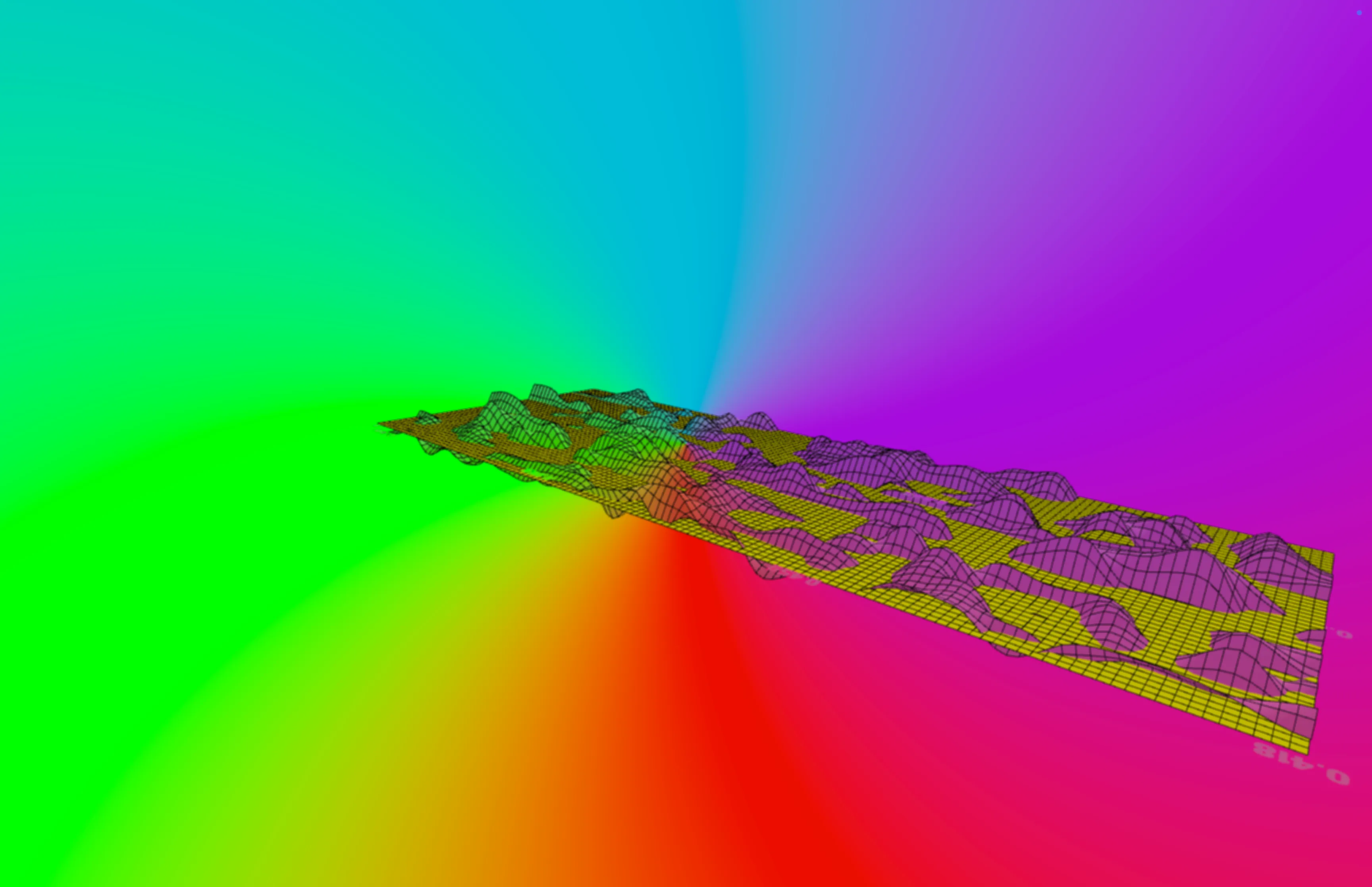
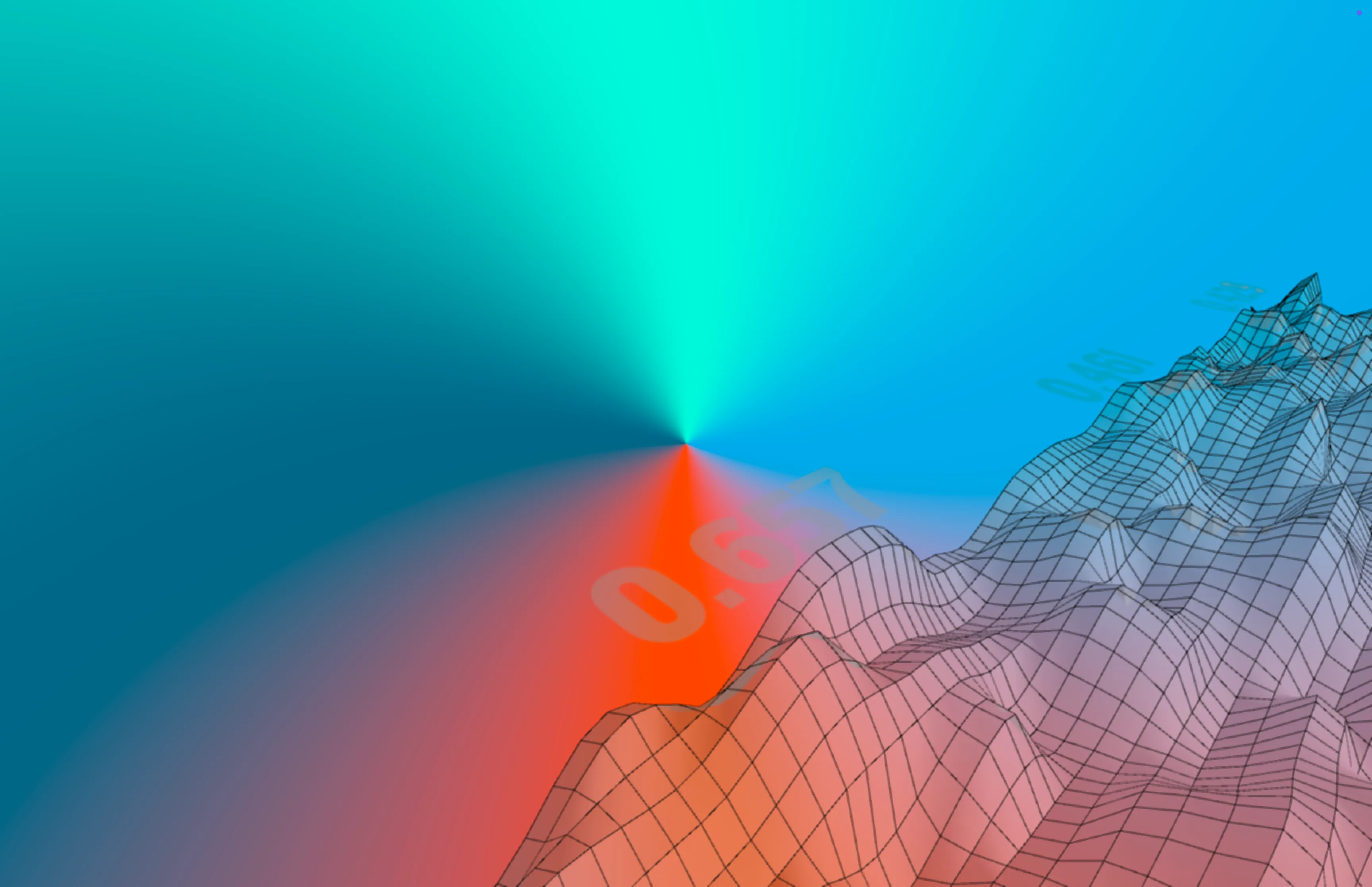
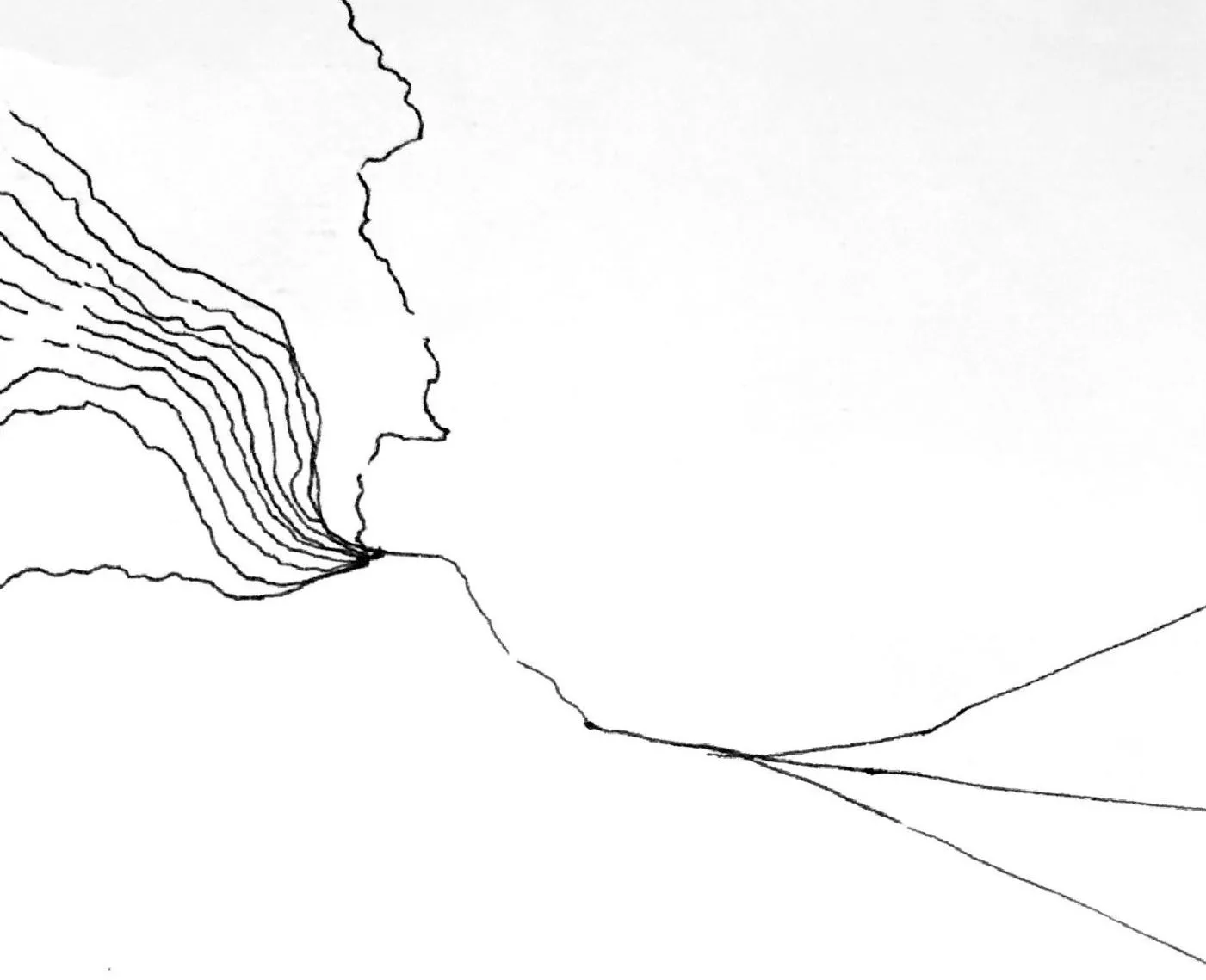
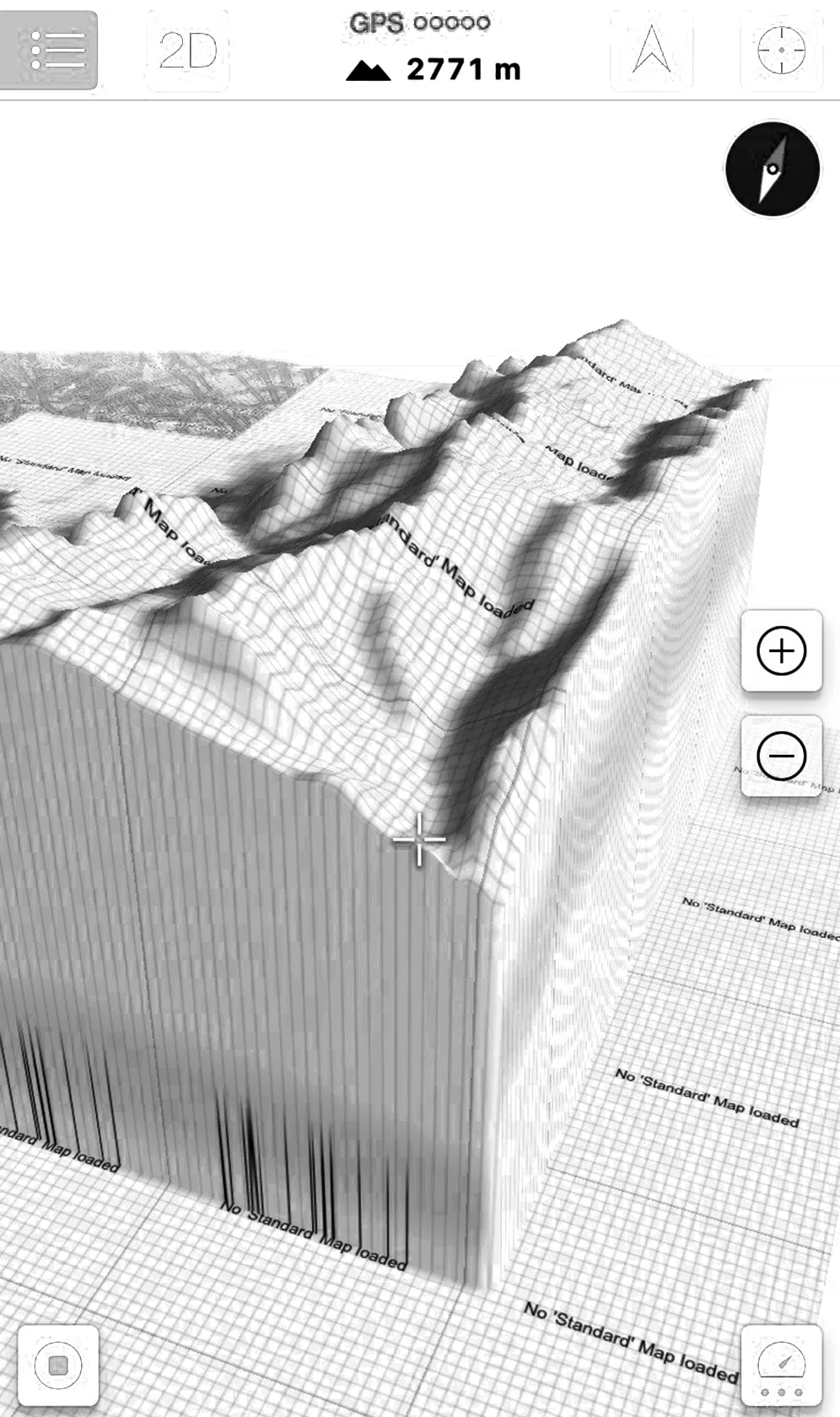
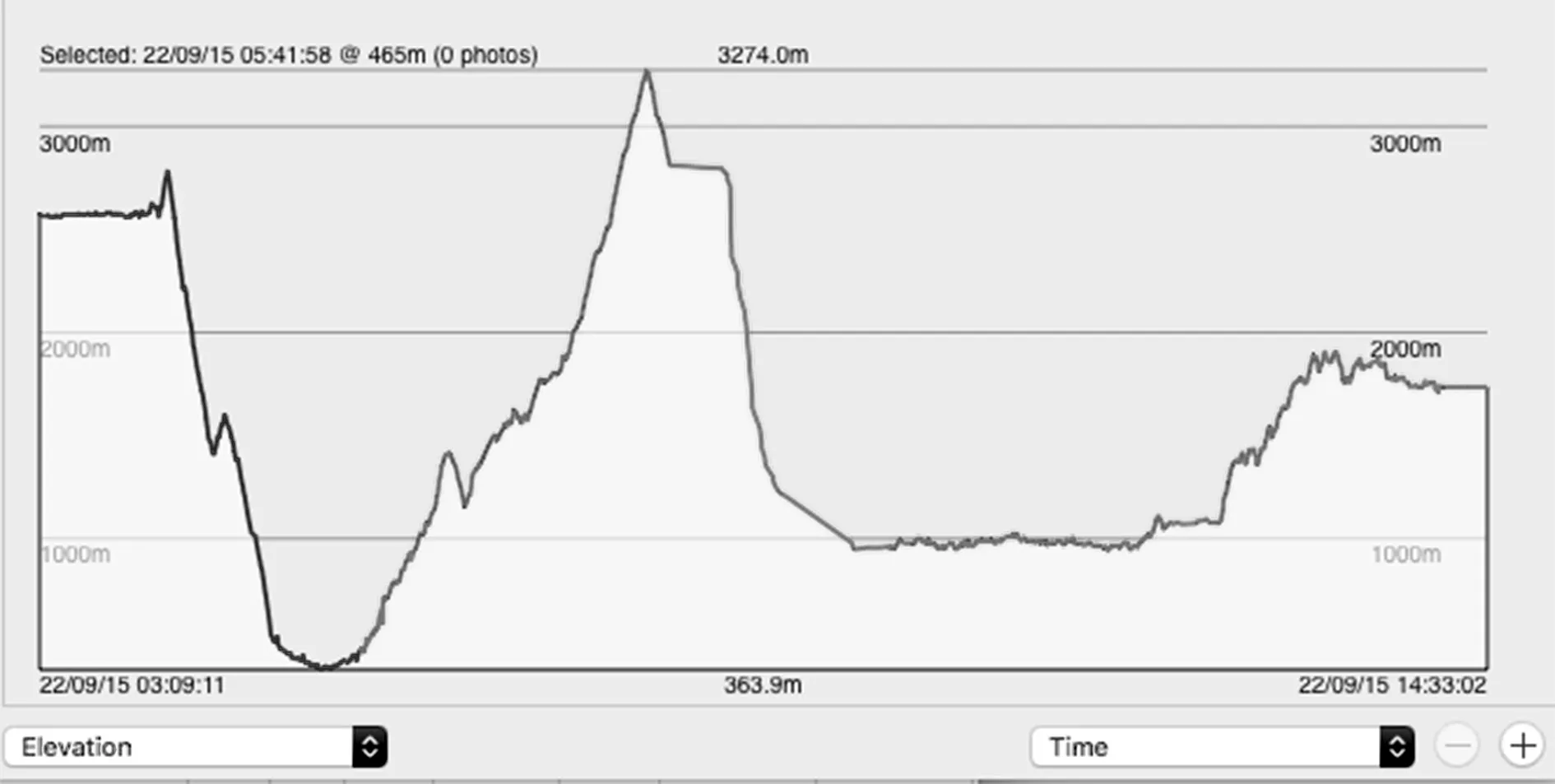
- Sonification processes: GPS trajectory data controlling oscillator frequencies
- Spatial design: 4-channel surround system with dedicated low-frequency channel
- Microtonal exploration: Breaking numerical ratios of chromatic scales
Performance Technology
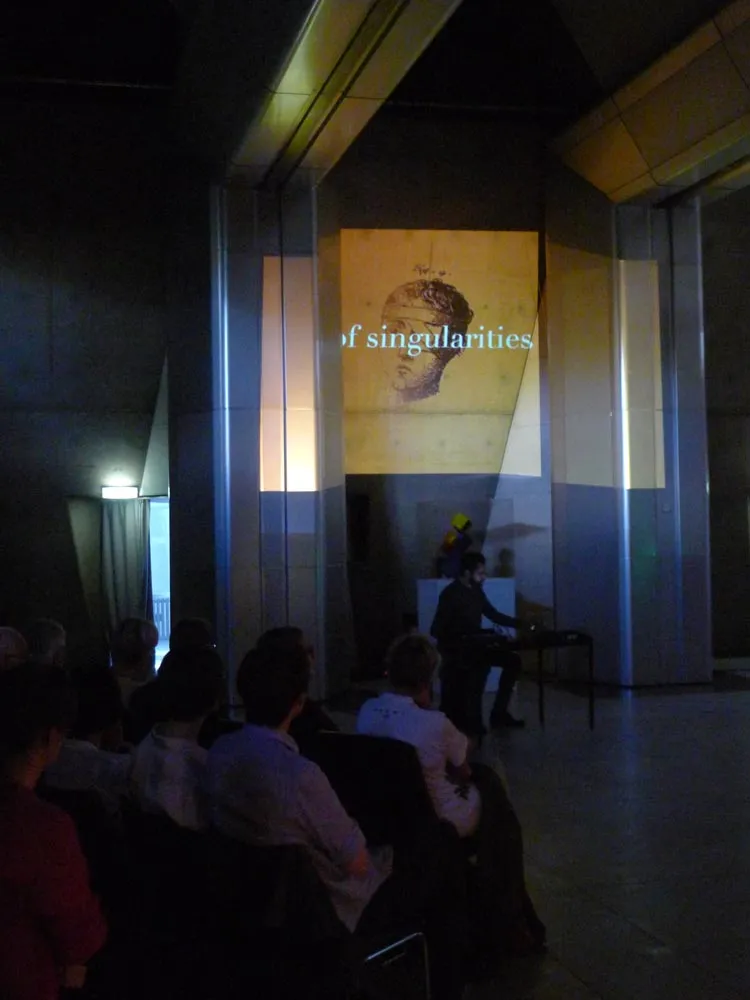
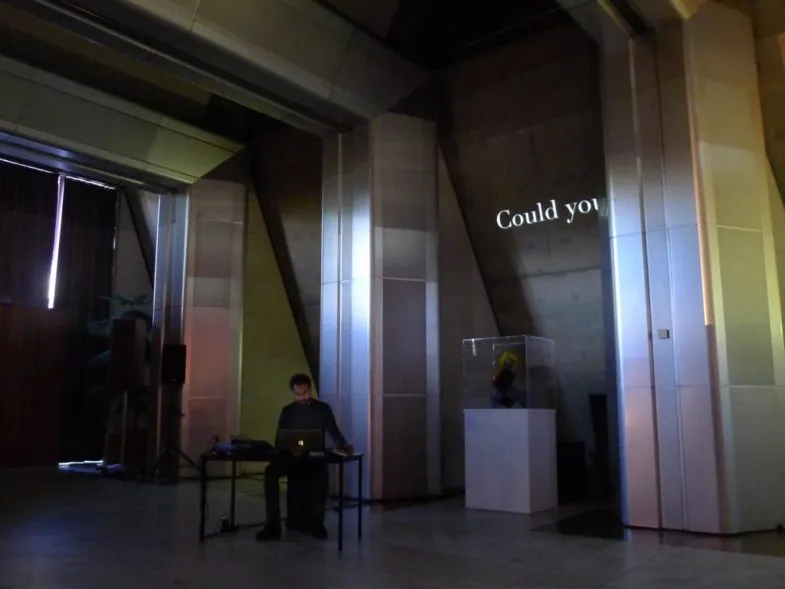
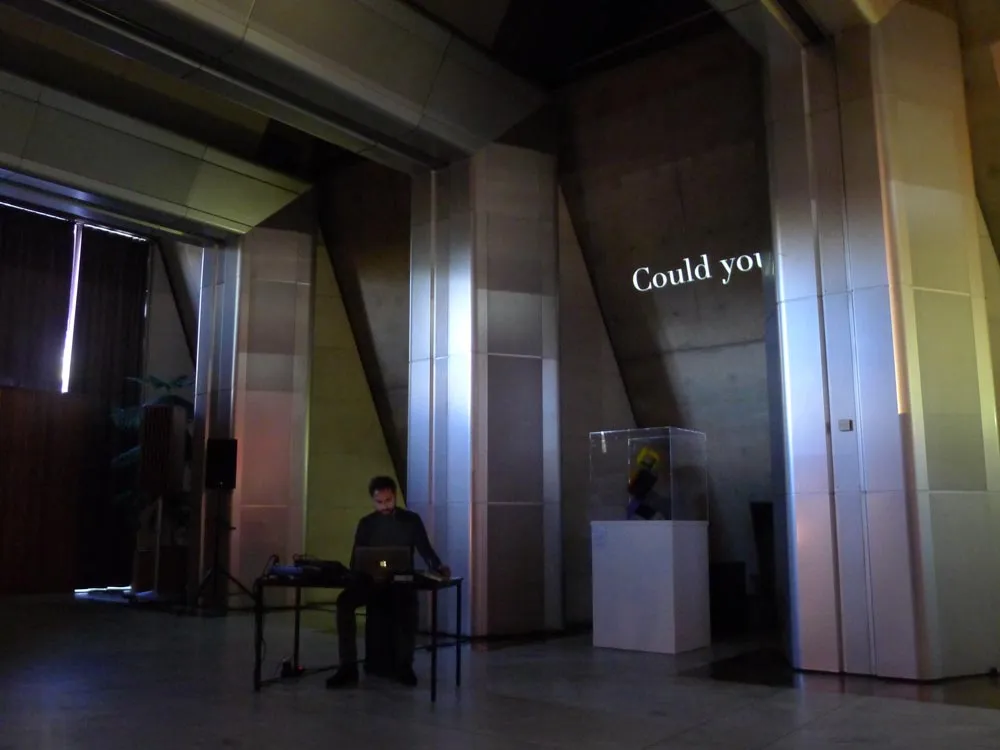
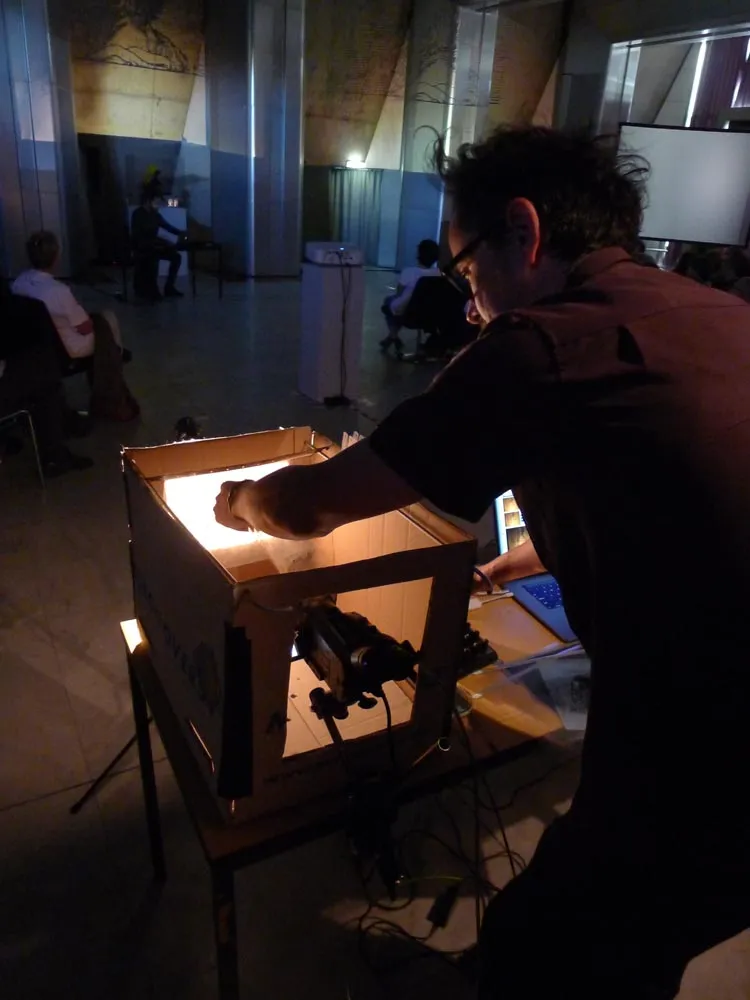
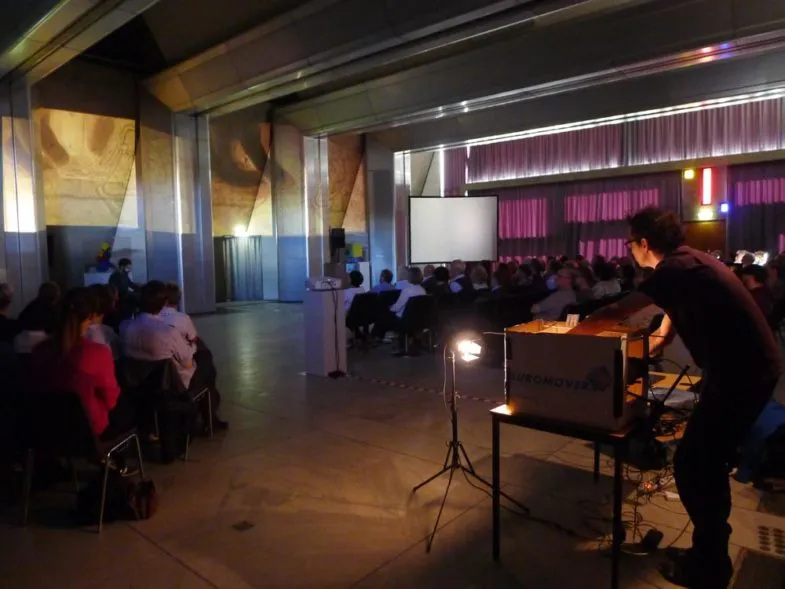
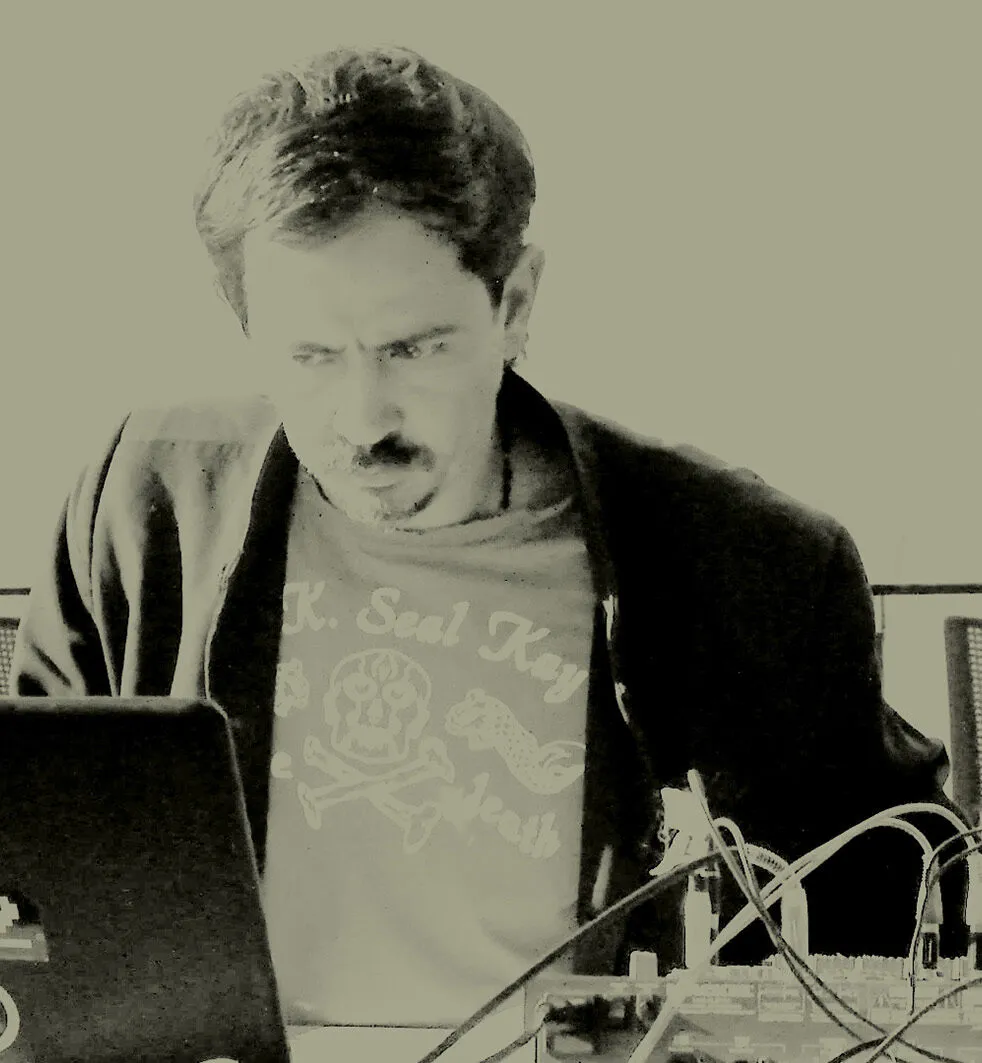
The live performance utilizes Max/MSP programming to create a computer improvisation instrument that generates acoustic coincidences within a dynamic spatial sound organization. The circular rotation system adds movement complementing synthesis-generated acoustic phenomena.
Cultural Context
The work addresses the tension between ancestral sonic memory embedded in the Chonta marimba’s materiality and its contemporary urban transformation. As one interviewee noted: “The marimba is the sound of rain, flowing rivers, and the jungle”—acknowledging how the instrument’s acoustic properties change between forest and urban environments.
Research Outcomes
This project demonstrates how experimental ethnography can address cultural preservation through technological meditation, using acoustic beating phenomena as metaphor for the interference between past and present. The work contributes to discussions on how traditional knowledge systems adapt to contemporary contexts while maintaining cultural specificity.
Academic Collaboration
Developed in cooperation with Camilo Rojas (composition student) and Maestro Roberto García at the Experimental Sound Laboratory, with theoretical guidance from Prof. Siegfried Zielinski’s Media Archaeology program.
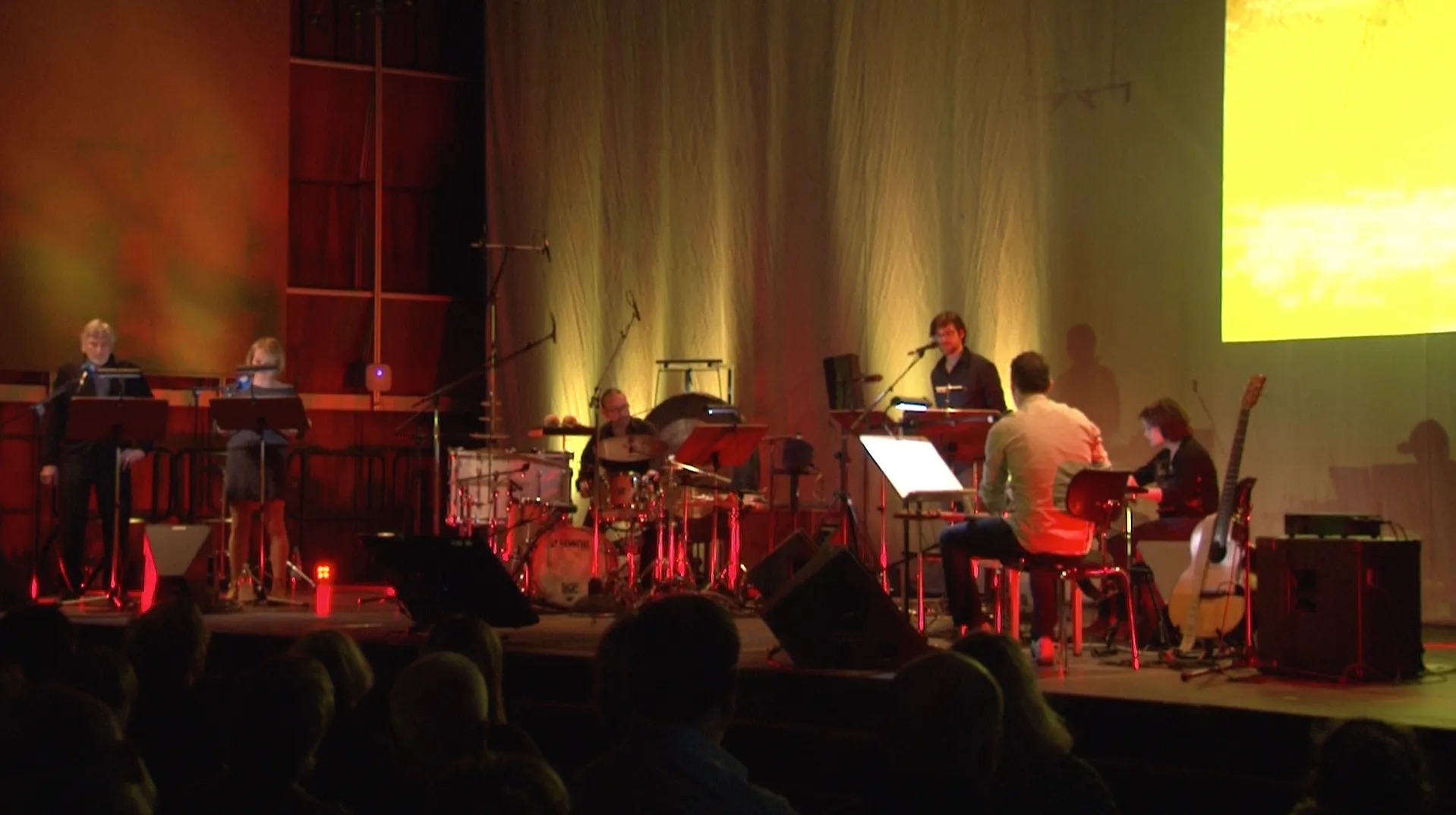
Premiered at the Universidad Nacional de Colombia Faculty of Fine Arts as part of the artistic research presentation program.
Documentation